24 Watercolor Animal Heads Clipart: A Designer's Guide to Whimsical Branding
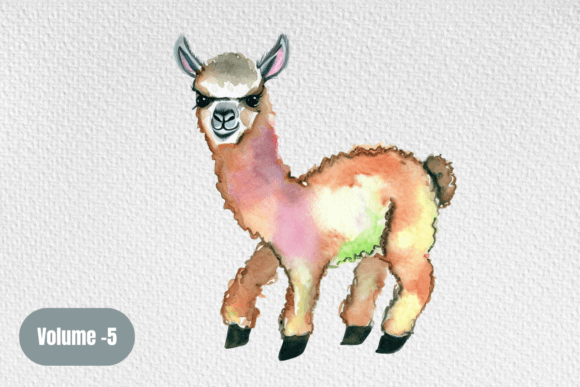
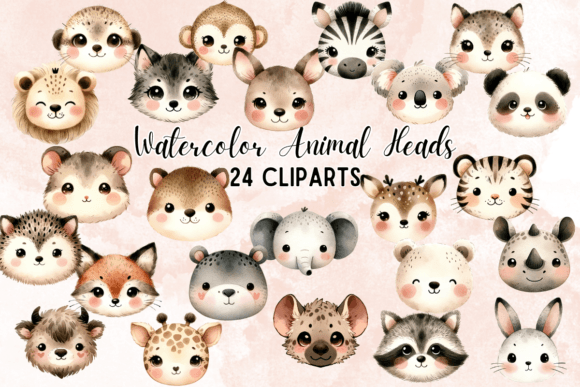
As a designer, I'm always looking for assets that bridge the gap between professional polish and authentic, handmade charm. That's exactly what I found with this collection of 24 Watercolor Animal Heads Clipart. It’s not just a set of images; it’s a versatile toolkit for injecting personality and warmth into projects that might otherwise feel sterile or overly corporate. The appeal lies in the watercolor style itself—it’s organic, textured, and inherently friendly. These aren't flat, cartoonish vectors. They have depth, subtle color bleeds, and a softness that feels crafted. This quality makes them particularly effective for brands and creators aiming to connect on a more human, approachable level.
Why Watercolor Elements Resonate in Modern Design
In an era dominated by sleek digital interfaces and polished minimalism, incorporating tactile, hand-painted elements can create a powerful visual contrast. The 24 Watercolor Animal Heads Clipart leverage this perfectly. The style speaks to a desire for authenticity and artistry. Each animal head—from the fox to the owl—carries its own subtle expression and character, thanks to the nuanced watercolor washes. This isn't just about being "cute"; it's about evoking a specific mood. A soft, pastel-toned bunny head can convey gentleness and care, ideal for a wellness brand or a children's educator. A bolder, more textured bear head might suggest strength and rusticity, perfect for an outdoor adventure blog or craft brewery branding.
This collection works exceptionally well as part of a larger design assets library. The high resolution (4096px x 4096px at 300dpi) and transparent PNG format mean these elements are truly print-ready. You can scale them for large format prints or use them at a smaller size in a digital journal without losing quality. For editorial design, imagine using a cluster of these animal heads as decorative corner elements in a magazine spread about wildlife or sustainable living. In packaging design, a single, well-placed animal head can become the centerpiece of a label for artisanal goods, immediately communicating a story of craftsmanship and nature.
Practical Applications Across Creative Projects
Let's get specific. How do you actually use these clipart pieces to elevate your work? The key is to think of them as brand identity elements or focal points, not just random decorations.
- Logo Design & Brand Marks: While not a full typeface, a watercolor animal head can serve as a powerful logomark. Paired with a clean, modern sans serif font for the company name, it creates a balanced font pairing that is both professional and memorable. This is ideal for pet boutiques, eco-friendly products, or creative studios.
- Social Media Graphics: Consistency is king on platforms like Instagram and Pinterest. Using one animal head from the set as a recurring profile picture element or as a signature watermark on your content builds instant recognition. They add visual interest to quote cards, story backgrounds, and highlight covers without overwhelming your typography.
- Digital & Physical Planners: For the planner and journaling community, these are gold. Use them as decorative stickers, section dividers, or motivational icons. Their transparent backgrounds make them easy to layer over planner pages, adding a touch of whimsy to your weekly spreads.
- Marketing Materials: In brochures, flyers, or email headers, a watercolor animal head can break up text-heavy layouts. It draws the eye and can be used to symbolize different sections or themes—like using a wise owl for "Tips & Advice" or a playful fox for "New Arrivals."
Integrating Clipart with Typography and Layout
The success of using these images hinges on thoughtful integration with your other design assets, especially typography. A common mistake is pairing ornate clipart with equally ornate fonts, which creates visual chaos. The strength of the watercolor animal heads is their artistic detail. Therefore, they pair best with simpler, more structured typefaces.
Consider using a premium font that is a serif font with good readability for body text, like a transitional serif. For headlines, a bold display font or a clean script font can complement the organic feel without competing. Avoid using a handwritten font directly next to the clipart unless it's very legible, as both styles can fight for attention. The goal is to create a clear visual hierarchy where the animal head acts as an accent or icon, and your typography carries the message.
Choosing the Right Animal for the Job
With 24 options, selection is part of the strategy. Don't just pick your favorite animal. Match the animal's symbolic meaning and the clipart's color palette to your project's core message. A serene blue-toned dolphin head could work for a meditation app, while a vibrant, multi-colored parrot head might be perfect for a tropical-themed party invitation. Review the entire set first. You might discover that a less obvious choice, like the gentle sheep or the curious raccoon, better embodies your brand's personality than the more common lion or bear.
Commercial Use and Final Considerations
Before downloading, always verify the licensing. This listing is for a digital download ONLY, and you must ensure the license permits your intended use, especially for commercial projects like selling products with the designs. The fact that these are high-resolution, print-ready files is a significant advantage for entrepreneurs creating merchandise. Test the clipart in a mockup before committing to a full design. See how it looks on a business card, a t-shirt, or a website banner. Does it maintain its charm at different sizes? Does the color hold up on various backgrounds?
Ultimately, the 24 Watercolor Animal Heads Clipart are more than just cute pictures. They are a strategic tool for adding warmth, storytelling, and a handcrafted aesthetic to a wide range of creative and commercial projects. By using them intentionally—as part of a cohesive font pairing strategy and within a well-considered layout—you can create designs that feel both professional and deeply personal, fostering a stronger connection with your audience.